
Impact of Pregnancy on the Progression of Papillary Thyroid Microcarcinoma: Is Active Surveillance Still a Safe Strategy?
A retrospective medical record review revealed that pregnancy may cause transient acceleration in the growth of papillary thyroid microcarcinoma (PTMC); however, these changes are mostly self‑limited, with tumor growth slowing or stabilizing after delivery. According to the findings presented at the Endocrine Research Institute's weekly Journal Club, Active Surveillance remains a safe and practical management approach for patients of reproductive age, with only a limited number of cases requiring delayed surgery postpartum.
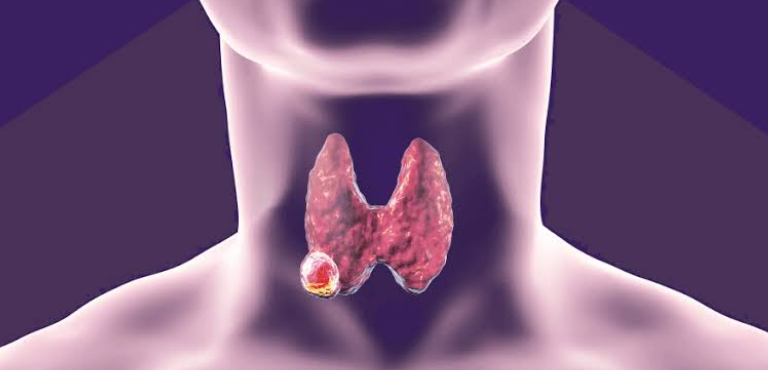
According to the Public Relations Office of the Endocrine Research Institute, the weekly Journal Club session of the Institute was held on Sunday, July 26, 2026 (4 Mordad 1405), with the attendance of faculty members, endocrinology subspecialists, residents, and students. In this session, Dr. Noghmeh Habibi, an endocrinology and metabolism subspecialist, presented and critically reviewed a peer‑reviewed research article on the management of papillary thyroid microcarcinoma during pregnancy.
Dr. Habibi began by highlighting the high prevalence of thyroid cancer in women, particularly during reproductive age, stating: "Over 200,000 women in China are newly diagnosed with thyroid cancer each year, with more than 85% of cases potentially attributable to overdiagnosis. Papillary thyroid carcinoma (PTC) accounts for approximately 84% of all cases, and widespread ultrasound screening has led to an increased detection of low‑risk papillary thyroid microcarcinomas (PTMC ≤ 1 cm), especially in women aged 18–45 years."
She added: "Given that many patients with PTMC are of reproductive age, one major clinical challenge is how to manage these patients during pregnancy. While current guidelines do not recommend immediate surgery during pregnancy, there are no explicit recommendations for patients who are already under Active Surveillance prior to conception. This clinical gap motivated the present study."
In this study, which evaluated 21 pregnancy events in 18 patients with low‑risk PTMC under Active Surveillance, tumor behavior was assessed across three time periods – before pregnancy, during pregnancy, and postpartum – using serial ultrasonography and calculation of the Tumor Doubling Rate (TDR).
Dr. Habibi detailed the findings: "The mean age at diagnosis was 29.3 years and at pregnancy was 31.1 years. The median duration of Active Surveillance was 59 months. Our results showed that in 61.9% of cases, tumor growth accelerated during pregnancy; however, none of the patients experienced growth exceeding 3 mm – the clinically significant threshold. The mean TDR increased from 0.18/year before pregnancy to 0.39/year during pregnancy, but this increase was transient, and postpartum the TDR dropped to −0.01/year, indicating stabilization or even shrinkage of tumor size."
She also compared pregnant and non‑pregnant patients in this cohort, noting: "Tumor enlargement >3 mm occurred in 20.7% of pregnant patients, compared to 7.0% in non‑pregnant patients (p=0.025). Although this difference was statistically significant, most of these changes were clinically reversible."
According to the subspecialist, only two patients (9.5%) required delayed surgery after delivery – one due to sustained 4.6‑mm growth and the other due to new central lymph node metastasis. In both cases, no T‑stage progression or recurrence was observed postoperatively.
Dr. Habibi then elaborated on the hormonal mechanisms influencing tumor growth, stating: "Pregnancy‑related hormones – including hCG, which shares structural homology with TSH and competes for the TSH receptor, and estrogen, which activates survival pathways and angiogenesis – appear to play a key role in the temporary acceleration of tumor growth. Emerging evidence also suggests that tumor‑infiltrating B lymphocytes (TIL‑B), which express estrogen receptors, may act as immunological regulators in response to gestational hormonal changes."
Concluding her presentation, Dr. Habibi emphasized the safety of the Active Surveillance strategy in this patient population: "Despite transient tumor growth acceleration during pregnancy, the majority of cases revert to stability or regression postpartum. Our findings demonstrate that Active Surveillance is a safe and feasible approach for reproductive‑aged women with low‑risk PTMC, and surgery can be safely deferred until after delivery, except in rare cases of clinically significant progression – which, in this study, were managed with delayed surgery and excellent outcomes."
At the end of the session, a scientific Q&A session took place, during which participants discussed statistical details, inclusion criteria, follow‑up duration, and comparisons with international guidelines, including the 2015 ATA guidelines and the Japanese consensus statements. Dr. Habibi responded to the audience's questions in depth.








.jpg)


comment